

As a trusted supplier of Electric Scooter Kids, I've had the privilege of witnessing the excitement these little vehicles bring to children. One of the most frequently asked questions from parents and enthusiasts alike is, "How does the motor of a kids' electric scooter work?" In this blog, I'll delve into the inner workings of these motors, explaining the science behind their operation and how they contribute to the overall performance of the scooter.
The Basics of Electric Motors
At the heart of every kids' electric scooter is an electric motor. Electric motors are devices that convert electrical energy into mechanical energy. They work based on the principle of electromagnetic induction, discovered by Michael Faraday in the 19th century. When an electric current flows through a wire coil placed in a magnetic field, a force is exerted on the coil, causing it to rotate. This rotation is what powers the wheels of the electric scooter.
Components of a Kids' Electric Scooter Motor
A typical kids' electric scooter motor consists of several key components:
- Stator: The stator is the stationary part of the motor. It contains a series of wire coils, also known as windings, that are arranged in a specific pattern. When an electric current flows through these windings, they create a magnetic field.
- Rotor: The rotor is the rotating part of the motor. It is usually made of a permanent magnet or a series of electromagnets. The magnetic field created by the stator interacts with the magnetic field of the rotor, causing the rotor to rotate.
- Commutator: The commutator is a device that helps to reverse the direction of the electric current flowing through the rotor windings. This is necessary to keep the rotor rotating in the same direction.
- Brushes: The brushes are small pieces of carbon or graphite that make contact with the commutator. They are responsible for supplying the electric current to the rotor windings.
How the Motor Works
When the rider turns on the scooter, an electric current is sent from the battery to the motor. The current flows through the stator windings, creating a magnetic field. This magnetic field interacts with the magnetic field of the rotor, causing the rotor to rotate. As the rotor rotates, the commutator reverses the direction of the current flowing through the rotor windings, ensuring that the rotor continues to rotate in the same direction.
The speed of the motor is controlled by a device called a motor controller. The motor controller regulates the amount of electric current flowing to the motor, which in turn controls the speed of the scooter. Most kids' electric scooters have a variable speed control, allowing the rider to adjust the speed of the scooter according to their preference.
Importance of Motor Efficiency
The efficiency of the motor is an important factor to consider when choosing a kids' electric scooter. A more efficient motor will consume less energy, resulting in a longer battery life and a more environmentally friendly scooter. When shopping for a scooter, look for models that have a high motor efficiency rating.
Maintenance and Care
To ensure the longevity and performance of the motor, it's important to follow the manufacturer's maintenance instructions. This may include regular cleaning, lubrication, and inspection of the motor and its components. Additionally, it's important to avoid overloading the scooter or using it in extreme conditions, as this can put additional stress on the motor and reduce its lifespan.
Choosing the Right Motor
When choosing a kids' electric scooter, it's important to consider the power and torque of the motor. The power of the motor is measured in watts and determines the speed and acceleration of the scooter. The torque of the motor is measured in Newton-meters and determines the ability of the scooter to climb hills and carry heavy loads.
For younger children, a motor with a lower power rating may be sufficient. However, for older children or those who want a more powerful scooter, a motor with a higher power rating may be necessary. It's also important to consider the weight and size of the child when choosing a scooter, as this will affect the performance of the motor.
Our Product Range
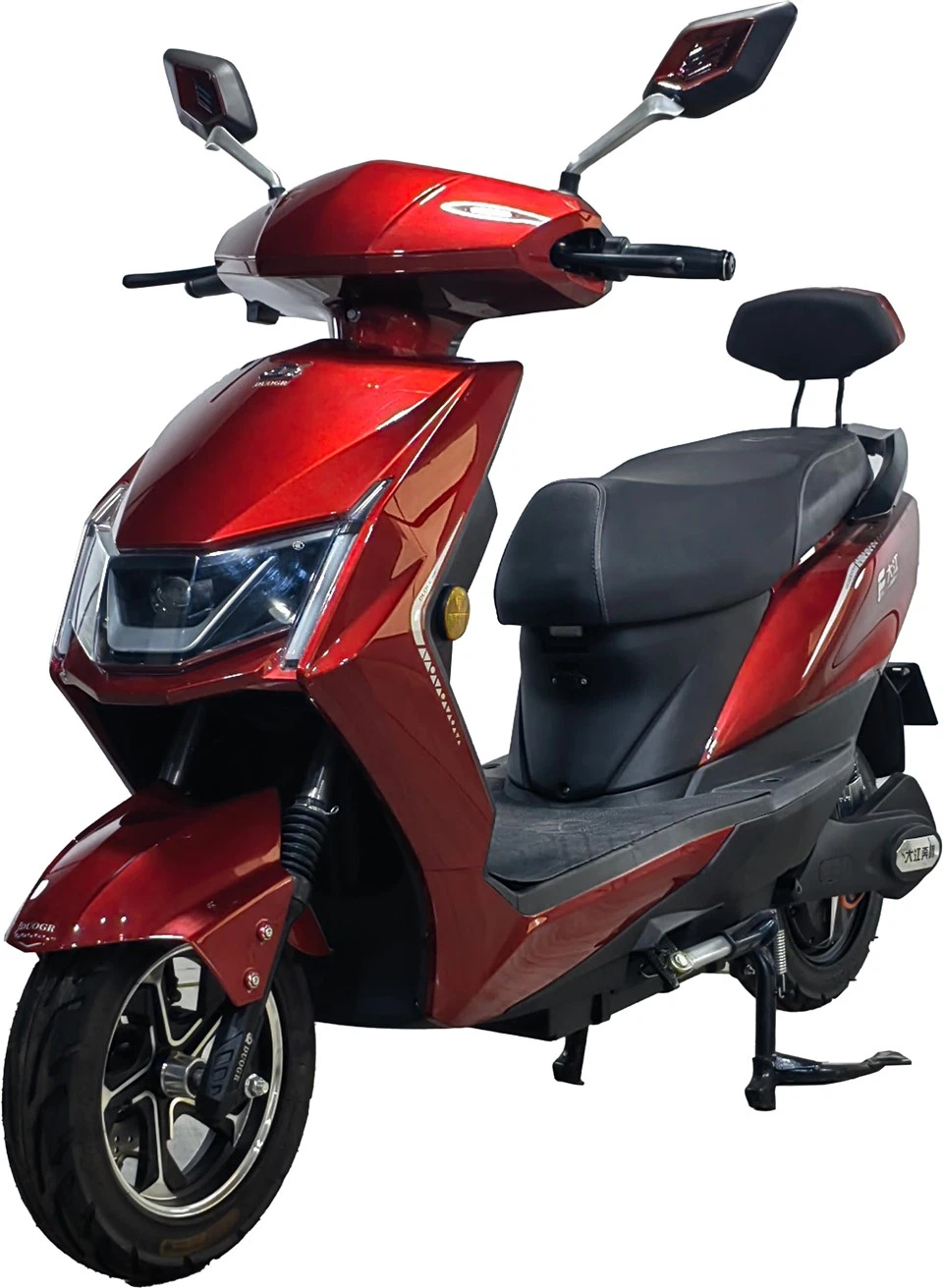
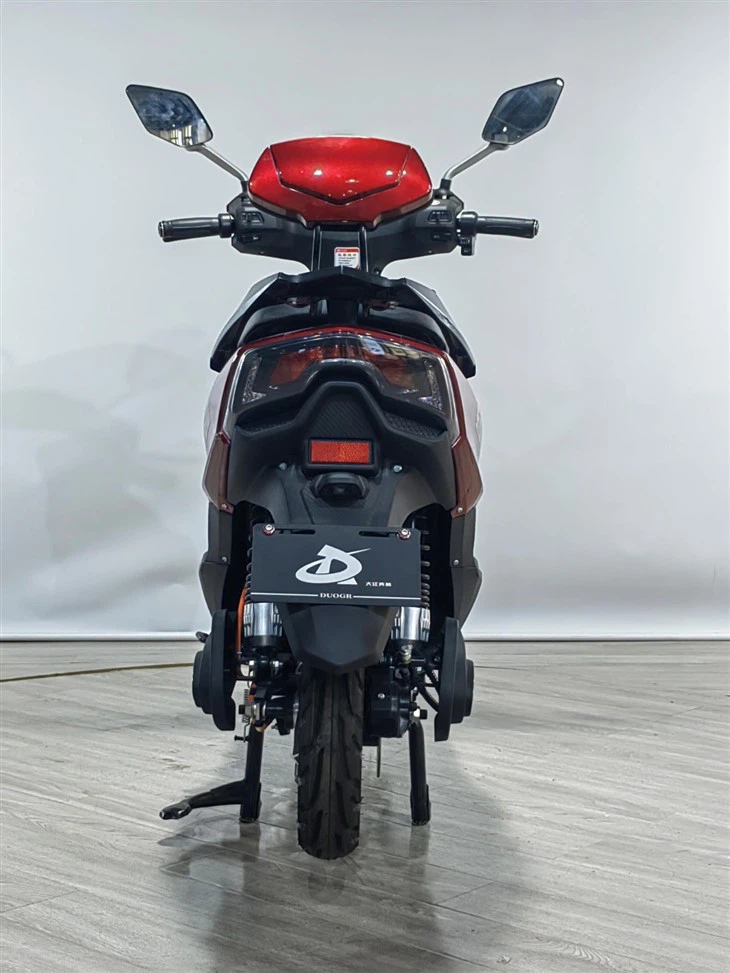
As a leading supplier of Electric Scooter Kids, we offer a wide range of scooters with different motor specifications to meet the needs of every child. Our Stylish LED Light Electric Motorcycle is a popular choice among kids, thanks to its sleek design and powerful motor. It features a high-performance motor that provides smooth acceleration and a top speed of up to [X] miles per hour.
In addition to our scooters, we also offer a range of spare parts, including Scooter Motor Controller. Our motor controllers are designed to provide precise control of the motor, ensuring a safe and enjoyable riding experience for your child.
If you're in the market for a high-quality kids' electric scooter or need replacement parts for your existing scooter, we invite you to explore our product range at 2 Wheel Electric Scooter Adult Electric Motorcycle Wholesale Electric Motorcycles. Our team of experts is always available to answer your questions and help you find the perfect scooter for your child.
Contact Us for Purchase and Negotiation
We understand that choosing the right kids' electric scooter is an important decision, and we're here to help. Whether you're a retailer looking to purchase scooters in bulk or a parent looking for a single scooter for your child, we're committed to providing you with the best products and services.
If you're interested in purchasing our products or have any questions about our product range, please don't hesitate to contact us. We'll be happy to discuss your requirements and provide you with a competitive quote. We look forward to working with you and helping you bring the joy of electric scooters to children everywhere.
References
- "Electric Motors and Drives: Fundamentals, Types, and Applications" by Austin Hughes
- "The New Science of Strong Materials: Or Why You Don't Fall Through the Floor" by J.E. Gordon
- "Physics for Scientists and Engineers" by Paul A. Tipler and Gene Mosca