

As a passionate provider of electric scooters, I've witnessed a multitude of inquiries from customers regarding the factors that influence an electric scooter's range. One question that frequently surfaces is, "What is the impact of the rider's weight on an electric scooter's range?" Today, I'm excited to delve into this topic and shed some light on how a rider's weight can affect the performance and range of an electric scooter.
Understanding the Basics of Electric Scooter Range
Before we explore the impact of rider weight, it's essential to understand the fundamental factors that determine an electric scooter's range. The range of an electric scooter refers to the maximum distance it can travel on a single charge. Several key elements contribute to this, including the battery capacity, motor efficiency, terrain, riding style, and, of course, the rider's weight.
The battery is the heart of an electric scooter, providing the energy needed to power the motor. A larger battery capacity generally means a longer range, as it can store more energy. However, even with a high-capacity battery, other factors can significantly impact how far the scooter can travel.
The motor's efficiency also plays a crucial role. A more efficient motor can convert a higher percentage of the battery's energy into motion, resulting in a longer range. Additionally, the terrain and riding style can have a substantial effect on the scooter's range. Riding on hilly terrain or at high speeds will consume more energy than riding on flat ground at a moderate pace.
How Rider Weight Affects Electric Scooter Range
Now, let's focus on the impact of the rider's weight. Simply put, the heavier the rider, the more energy the electric scooter's motor needs to expend to move the scooter and the rider forward. This increased energy consumption directly affects the scooter's range.
When a heavier rider mounts an electric scooter, the motor has to work harder to overcome the additional weight and maintain a certain speed. This extra workload requires more power from the battery, causing it to drain faster. As a result, the scooter's range will be reduced compared to when a lighter rider is using it.
To illustrate this point, let's consider two scenarios. Suppose we have an electric scooter with a specified range of 30 miles on a single charge. In the first scenario, a rider weighing 150 pounds takes the scooter for a spin. Riding at a moderate speed on flat terrain, the scooter may be able to achieve close to its advertised range of 30 miles.
In the second scenario, a rider weighing 250 pounds uses the same scooter under the same conditions. Due to the additional weight, the motor has to work harder to move the scooter forward. As a result, the battery will drain more quickly, and the scooter's range may be reduced to, say, 20 miles.
It's important to note that the reduction in range due to rider weight is not linear. In other words, doubling the rider's weight does not necessarily mean halving the scooter's range. The relationship between rider weight and range is more complex and depends on various factors, such as the scooter's motor power, battery capacity, and overall design.
Factors That Can Mitigate the Impact of Rider Weight
While rider weight does have a significant impact on an electric scooter's range, there are several factors that can help mitigate this effect.
Motor Power
A scooter with a more powerful motor can handle heavier riders more efficiently. A high-powered motor can generate more torque, allowing it to move the scooter and the rider forward with less effort. This means that a scooter with a powerful motor may experience a smaller reduction in range when carrying a heavier rider compared to a scooter with a less powerful motor.
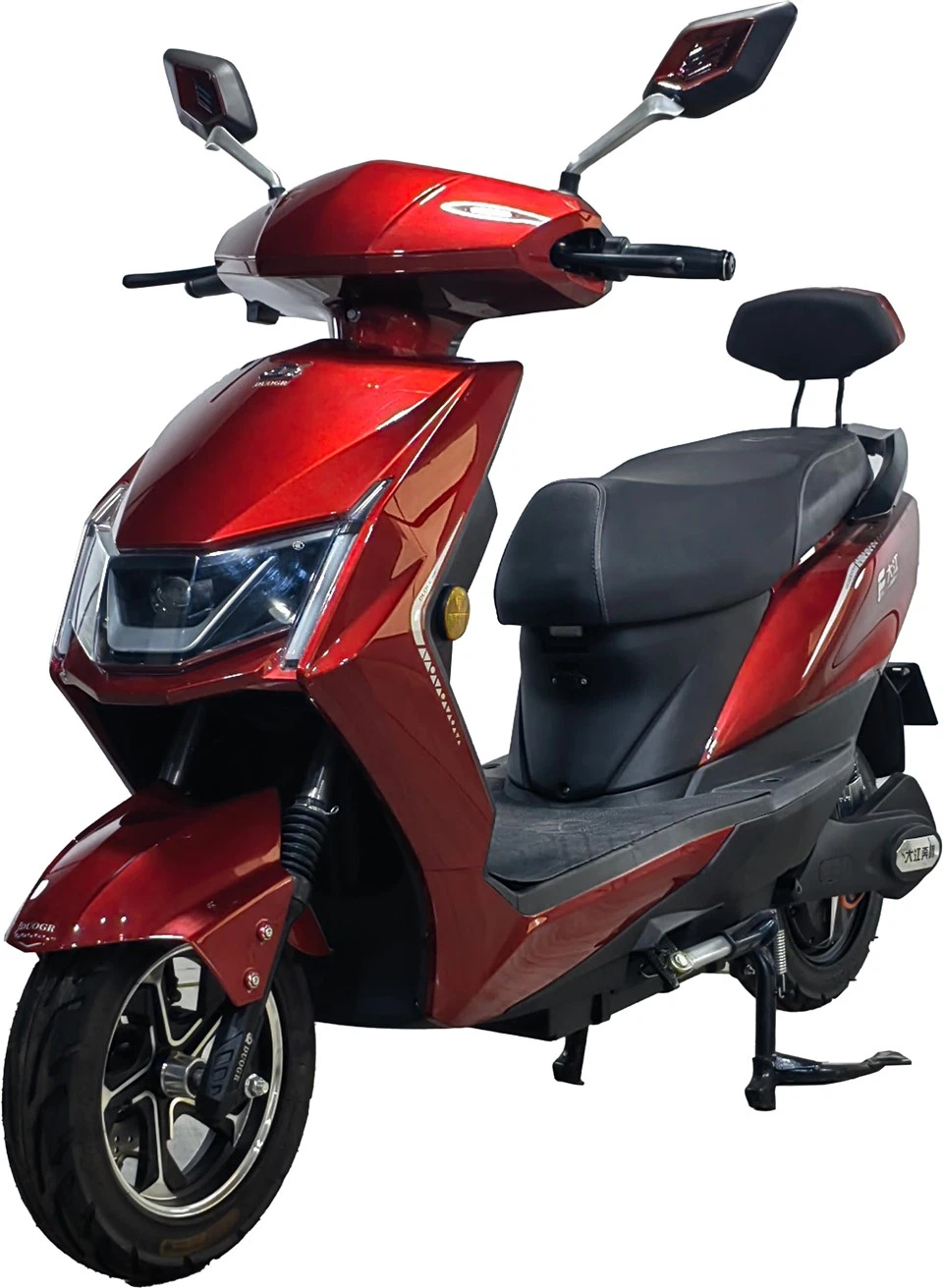
For example, our Stylish LED Light Electric Motorcycle is equipped with a high-performance motor that can provide sufficient power to handle riders of different weights. With its robust motor, this scooter can maintain a relatively long range even when carrying a heavier rider.
Battery Capacity
A larger battery capacity can also help offset the impact of rider weight on range. A scooter with a high-capacity battery can store more energy, allowing it to power the motor for a longer period. This means that even if the motor has to work harder to move a heavier rider, the scooter may still be able to achieve a reasonable range.
Our 2500W Brushless Electric Motorcycle features a large-capacity battery that provides ample power for extended rides. Whether you're a light or heavy rider, this scooter can offer a decent range on a single charge.
Aerodynamics
The design of the electric scooter can also influence how rider weight affects its range. A scooter with a more aerodynamic design can reduce wind resistance, which in turn reduces the amount of energy the motor needs to expend to maintain a certain speed. This can help offset the additional energy consumption caused by a heavier rider.
Our Retro Style Electric Motorcycle combines style and functionality with its sleek design. Its aerodynamic shape helps minimize wind resistance, allowing the scooter to travel further on a single charge, even with a heavier rider.
Tips for Maximizing Electric Scooter Range
Regardless of your weight, there are several tips you can follow to maximize your electric scooter's range:
- Ride at a Moderate Speed: Riding at high speeds consumes more energy. Try to maintain a moderate speed to conserve battery power.
- Avoid Hilly Terrain: Riding on hilly terrain requires more energy than riding on flat ground. If possible, choose routes with minimal elevation changes.
- Keep Your Tires Properly Inflated: Under-inflated tires increase rolling resistance, which can reduce the scooter's range. Make sure to check your tire pressure regularly and keep them properly inflated.
- Remove Unnecessary Accessories: Extra accessories, such as baskets or racks, can add weight to the scooter and increase energy consumption. Only use accessories when necessary.
Conclusion
In conclusion, the rider's weight has a significant impact on an electric scooter's range. The heavier the rider, the more energy the motor needs to expend to move the scooter forward, resulting in a reduced range. However, factors such as motor power, battery capacity, and aerodynamics can help mitigate this effect.
As a leading provider of electric scooters, we understand the importance of offering scooters that can meet the needs of riders of all weights. Our range of electric scooters, including the Stylish LED Light Electric Motorcycle, 2500W Brushless Electric Motorcycle, and Retro Style Electric Motorcycle, are designed to provide a balance of power, range, and performance.
If you're interested in learning more about our electric scooters or have any questions about how rider weight may affect the range of our products, we encourage you to contact us. Our team of experts is ready to assist you in finding the perfect electric scooter for your needs. Whether you're a light or heavy rider, we have a scooter that can offer you a great riding experience.

References
- "Electric Scooter Basics: Understanding Range and Performance." Electric Scooter World.
- "How Rider Weight Affects Electric Vehicle Range." EV Pulse.
- "Maximizing Your Electric Scooter's Range." Scooter Rider Magazine.