

Hey there! As an electric scooter supplier, I've seen all kinds of brakes on these nifty little rides. So, let's dig into what kind of brakes electric scooters usually have.
1. Disc Brakes
Disc brakes are super common in the world of electric scooters, especially in the more high - end and performance - oriented models. These brakes work by using a caliper to squeeze a rotor (a flat, circular disc) attached to the wheel. When you pull the brake lever, hydraulic or mechanical force is applied to the caliper, which then clamps down on the rotor, creating friction that slows down the wheel.
The great thing about disc brakes is their stopping power. They're really effective, even in wet conditions. Unlike some other types of brakes, water doesn't have as big of an impact on their performance. For example, if you're riding your Adult Electric Scooter on a rainy day, disc brakes will still give you reliable stopping ability.
Another advantage is their durability. Disc brakes can handle a lot of wear and tear over time. They're less likely to wear out quickly compared to some other brake types, which means less maintenance for you. However, they can be a bit more expensive to replace if something goes wrong. But overall, for the performance and reliability they offer, it's often worth the investment.
2. Drum Brakes
Drum brakes are also quite popular in electric scooters. In a drum brake system, there are brake shoes inside a drum that's attached to the wheel. When you apply the brakes, the brake shoes are pushed outwards against the inside of the drum, creating friction and slowing down the wheel.
One of the main benefits of drum brakes is their simplicity. They're relatively easy to manufacture and install, which often makes them a more cost - effective option. This is why they're commonly found in budget - friendly electric scooters.
Drum brakes are also well - protected from the elements. Since the brake components are enclosed inside the drum, they're less likely to be affected by water, dirt, or debris. This can increase their lifespan and reduce the need for frequent maintenance. However, their stopping power isn't as strong as disc brakes. They can also heat up more easily, especially during heavy use, which may cause the braking performance to decrease slightly.
3. Regenerative Brakes
Regenerative brakes are a unique feature in many modern electric scooters. These brakes work by using the electric motor of the scooter in reverse. When you apply the brakes, the electric motor acts as a generator, converting the kinetic energy of the moving scooter back into electrical energy. This energy is then stored in the battery for later use.
The biggest advantage of regenerative brakes is their energy - saving ability. They help to extend the battery life of the scooter by recharging it while you brake. This can be really useful, especially if you're doing a lot of stop - and - go riding in the city.
Regenerative brakes also provide a smooth braking experience. They gradually slow down the scooter, which can be more comfortable for the rider. However, they usually can't provide the same level of stopping power as disc or drum brakes on their own. So, most electric scooters with regenerative brakes also have a secondary braking system, like disc or drum brakes, for emergency stops.
4. Foot Brakes
Foot brakes are the simplest type of brakes you'll find on electric scooters. They're basically a rubber pad or a small block that you press against the rear wheel with your foot. When you step down on the foot brake, the friction between the pad and the wheel slows down the scooter.
Foot brakes are very easy to use. They don't require any complex mechanical or electrical systems, which makes them a common feature on kids' electric scooters and some very basic adult models. They're also inexpensive and easy to replace if they wear out.
However, foot brakes have some limitations. Their stopping power is relatively weak, especially at higher speeds. They also rely on the rider's physical strength to operate, so they may not be as effective for larger or heavier riders. And since they're operated by your foot, they can be a bit messy if your feet get dirty or wet.
5. Which Brake is Right for You?
When choosing an electric scooter, the type of brakes it has is an important consideration. If you're looking for high - performance and top - notch stopping power, especially if you plan to ride at higher speeds, a scooter with disc brakes might be the best choice. Models like the Electric Racing Motorcycle often come equipped with disc brakes to handle the demands of fast riding.
If you're on a budget and want a reliable brake system that doesn't break the bank, drum brakes are a great option. They offer decent performance and low maintenance costs, which is perfect for casual riders.
For those who are environmentally conscious and want to save on battery life, a scooter with regenerative brakes is worth considering. These brakes can give you an extra edge in terms of efficiency, especially for city commuting.
And if you're getting a scooter for a child or just want something really simple, a foot brake might be sufficient. It's easy to use and gets the job done for slow - speed, short - distance rides.
6. Maintenance Tips
No matter which type of brakes your electric scooter has, proper maintenance is key. For disc brakes, make sure to check the brake pads regularly for wear. If they're getting too thin, it's time to replace them. Also, keep the rotors clean to ensure optimal performance.
Drum brakes need to be inspected for proper adjustment. Over time, the brake shoes may wear down, and you may need to adjust them to maintain good braking performance. You should also check for any signs of leaks or damage in the drum.
For regenerative brakes, the electric components need to be in good working order. Make sure the battery is properly charged and the motor is functioning correctly. If you notice any issues with the regenerative braking system, it's best to have it checked by a professional.
Foot brakes are the easiest to maintain. Just check the rubber pad for wear and replace it if it's getting too thin. And keep your feet clean to avoid getting dirt or debris on the brake pad.
7. Contact Us for More
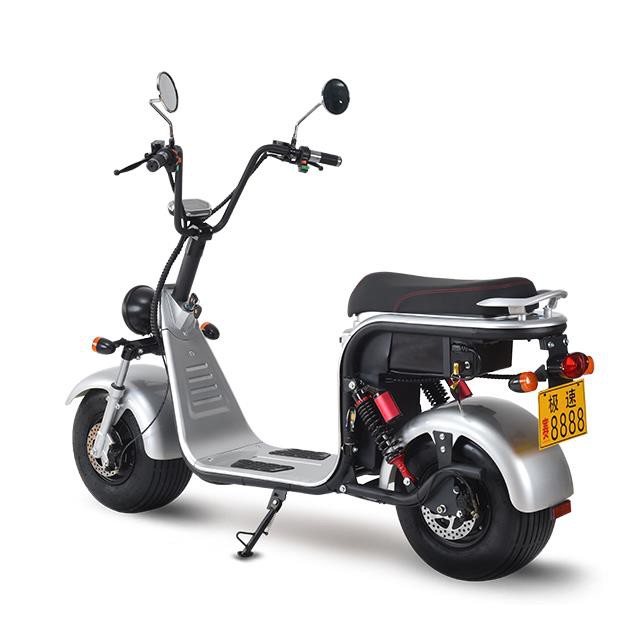
If you're interested in purchasing an electric scooter with the right brake system for your needs, we're here to help. We've got a wide range of electric scooters, from budget - friendly models to high - end performance machines. Whether you're looking for a Citycoco with E Mark or a powerful adult electric scooter, we can assist you in finding the perfect fit.

Feel free to reach out to us to discuss your requirements, ask questions about the different brake types, or get more information about our products. We're always happy to help you make an informed decision and get you on the road with a reliable electric scooter.
References
- "The Ultimate Guide to Electric Scooter Brakes" - Scooter World Magazine
- "Brake Systems in Electric Vehicles" - Electric Vehicle Research Journal
- Manufacturer's manuals for various electric scooters